

Building a Resilient Future for New Energy
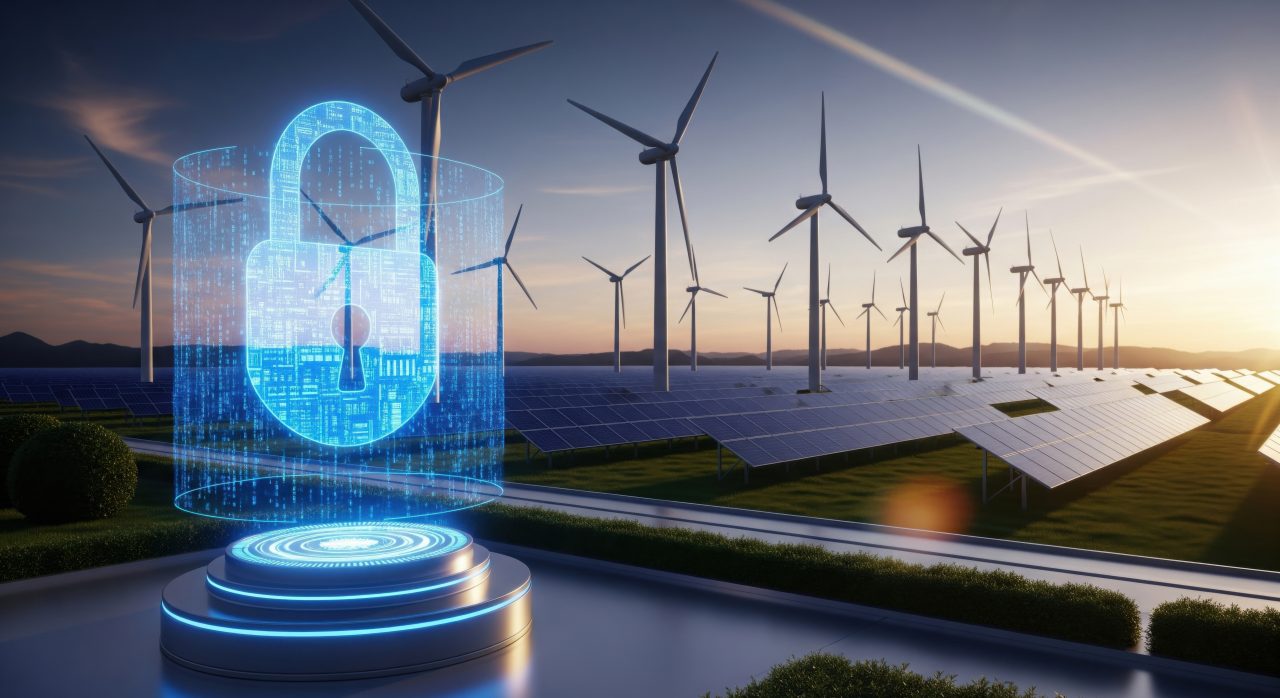
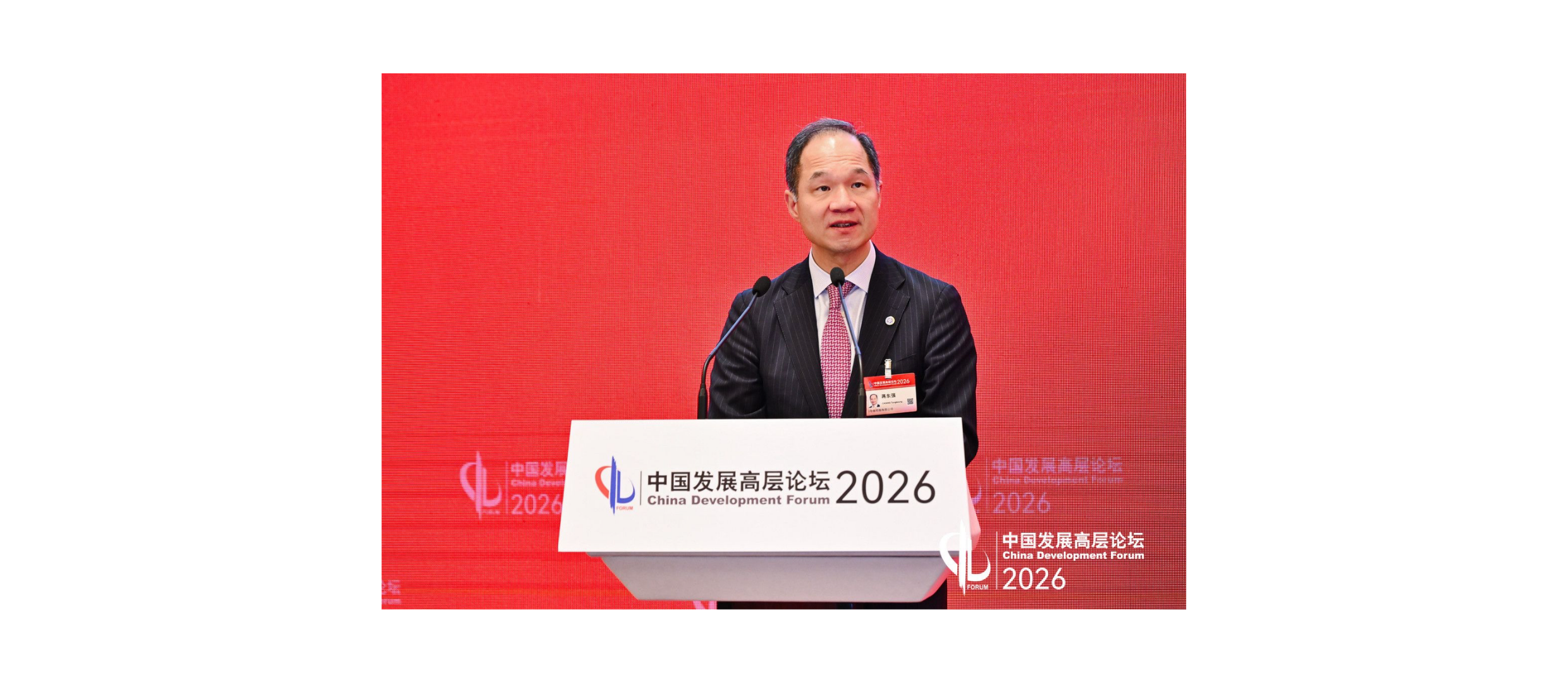
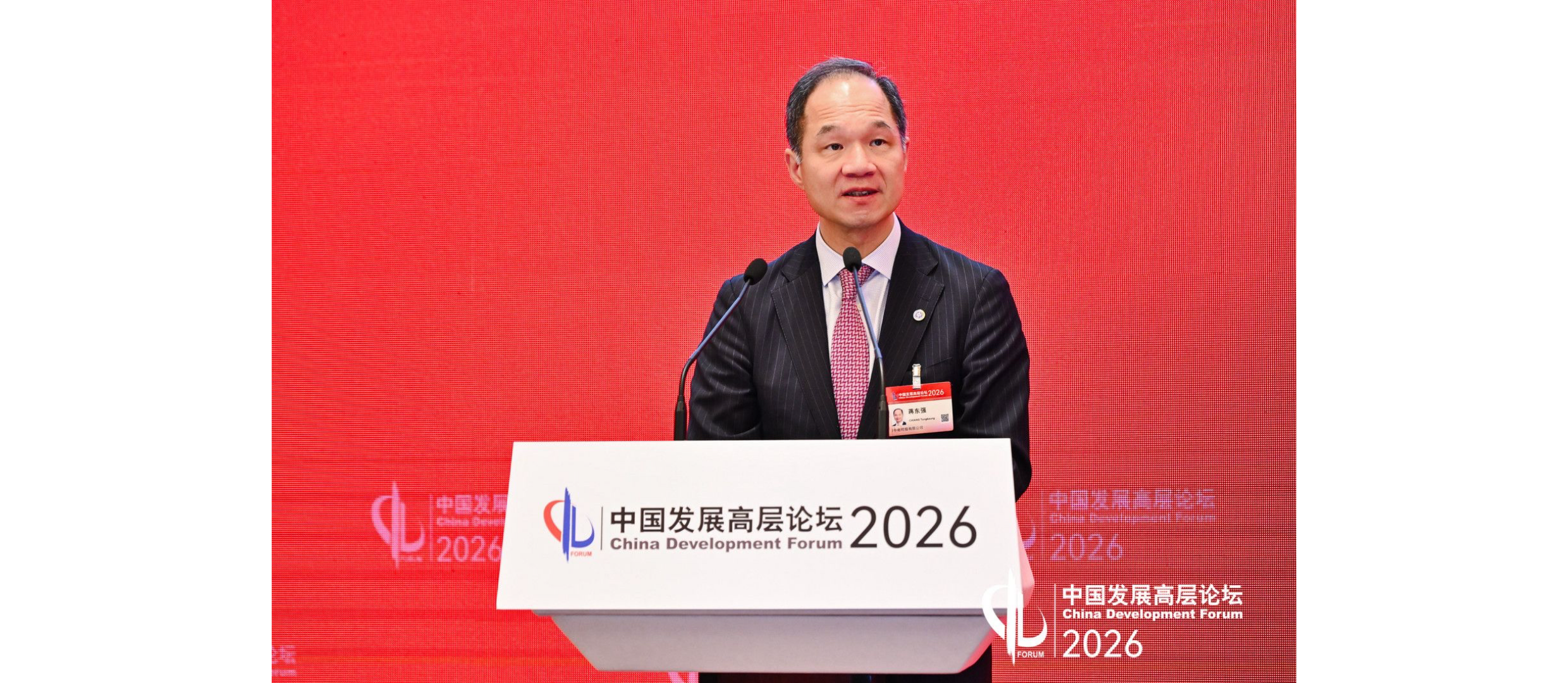
In a world shaped by growing geopolitical complexity, global energy security hinges on the development of new energy sources – including renewables and nuclear energy – and on sustained international cooperation. Last month, I was invited to speak at the China Development Forum in Beijing, where I delivered the following remarks.
28 April 2026
The global energy landscape is undergoing profound change. Instability in the Middle East has further exposed the fragility of traditional energy supply chains and fuelled volatility in international oil prices, elevating energy security to the top of the worldwide policy agenda. Against this backdrop, accelerating the transition towards a more diversified and resilient energy system has become imperative.
The National People’s Congress and Chinese People’s Political Consultative Conference in March adopted the Outline of the 15th Five-Year Plan. New energy development is a clear priority, with an emphasis on both the scale and quality to ensure reliable replacement capacity for the energy transition. Targets to expand renewable energy, together with faster progress on enabling legislation, will provide a long-term policy framework. These initiatives reaffirm China's commitment to green transformation and provide greater clarity and confidence for the energy sector.
Founded in Hong Kong in 1901, CLP has grown over the past 125 years into a leading investor-owned power business in the Asia-Pacific region. Since we entered the Chinese Mainland market in 1979, CLP has invested in over 50 projects across 14 provinces, municipalities and autonomous regions, focusing on clean energy, integrated energy services and smart energy management. Today, we are one of the largest external investors in the energy sector with non-carbon energy assets, including nuclear, wind, solar, hydro and energy storage accounting for around 75% of our installed capacity. To support the development of a new energy system, we will continue to combine our international experience with local practice.
Now, I would like to share some observations on the new energy sector and international cooperation.
Advancing Nuclear Energy Development
First, nuclear energy is playing an increasingly strategic role in energy security and decarbonisation. Since beginning operation in 1994, Daya Bay Nuclear Power Station has delivered over 320 billion kilowatt-hours of zero-carbon electricity to Hong Kong, consistently meeting around a quarter of the city’s power demand. With electricity consumption rising alongside the growth of artificial intelligence, data centres and other emerging industries, nuclear energy remains essential to Hong Kong’s high-quality development and its path towards carbon neutrality. Expanding nuclear imports and clean energy supply capacity will help advance Hong Kong’s green transformation.
In today’s volatile geopolitical environment, the advantages of nuclear power in providing reliable supply and price stability have become even more evident. The longstanding cooperation between Guangdong province and Hong Kong on Daya Bay Nuclear Power Station has safeguarded regional energy security and provided a replicable model for the integrated development of the Guangdong-Hong Kong-Macao Greater Bay Area.
Expanding Locally Adapted Renewables
Second, advancing renewable energy in ways that suit local conditions is a vital pathway for cross‑border cooperation. Leveraging Hong Kong’s unique position as a bridge between the Mainland and the world, CLP has actively participated in the Belt and Road Initiative (BRI), strengthening regional energy security through cross‑border energy connectivity. CLP entered the Thailand energy market in 1998, and has joined hands with China’s state-owned enterprises to explore the export of clean energy from Laos through partnerships with local corporates. By importing natural gas from Central Asia and the Middle East through the West-East Gas Pipeline and the offshore LNG terminal in Hong Kong, CLP is diversifying the city’s energy mix and strengthening supply resilience. These efforts demonstrate how businesses can support green economic cooperation under the BRI. They also contribute to the nation’s “dual-carbon” targets and lay the groundwork for broader international cooperation.
Enhancing Stronger Alignment
Third, addressing climate change requires translating decarbonisation goals into actionable corporate pathways. Various international mechanisms are in place to reduce emissions, and many countries and regions have developed decarbonisation roadmaps based on their specific circumstances. China’s "3060" goals and the Hong Kong Special Administrative Region’s decarbonisation targets under Climate Action Plan 2050 both provide clear direction for businesses. Back in 2007, CLP established Climate Vision 2050 to integrate climate action into our long-term strategy and governance, supported by ongoing review. Stronger alignment across international, national, regional and corporate levels will be critical to achieving shared objectives and enabling a green transition powered by reliable, reasonably priced, low-carbon energy and shared decarbonisation technologies.
Deepening “Belt and Road” Energy Cooperation
To strengthen international cooperation on new energy, I would like to put forward three proposals. First, we should deepen green energy cooperation under the BRI. The initiative provides a powerful platform for international collaboration. CLP will continue to leverage our position as a leading investor-owned power company in the Asia-Pacific region, with our Growth Markets team focused on opportunities in emerging Southeast Asia markets. By contributing our capabilities in decarbonisation technologies, finance and operations, we aim to support Belt and Road countries in building efficient, low-carbon energy systems and advancing the BRI’s high-quality development.
Harnessing Hong Kong’s Super Connector Role
Second, Hong Kong should fully leverage its role as a "super connector" and "super value-adder" to accelerate its development as an international hub for green finance and innovation. With institutional strengths like its common law system, free capital flow and international business environment, Hong Kong enterprises such as CLP can support Mainland firms in going global, transferring international capital management expertise and robust corporate governance standards to their overseas projects, while channeling the Mainland’s competitive technologies and manufacturing capabilities overseas.
Hong Kong is also well-positioned to support green finance development. CLP’s recent RMB1 billion Panda bond issuance on the Mainland introduced a framework-based approach aligned with international standards, providing a model for future onshore green bond transactions on the Mainland and supporting the continued internationalisation of Chinese capital markets. CLP will continue to contribute to the national “dual-carbon” strategy while showcasing Hong Kong’s capabilities in green finance and sustainable development on the international stage.
Pursuing Shared Benefit and Success
Third, we must continue to uphold openness, collaboration and mutually beneficial cooperation on energy development. In an era of growing geopolitical uncertainty, only a fair, inclusive and resilient system of global energy governance can deliver shared security and sustainable development.
CLP will continue to deepen our presence in the Mainland energy market, support the nation’s “dual-carbon” goals and contribute to building a community with a shared future for mankind.
Subscribe to the CLP CEO Blog to stay informed with the latest industry insights. By subscribing, you agree to the terms in this Personal Information Collection Statement.